

ISBN-10
--
ISBN-13
9798202156038
Material ID : 20594
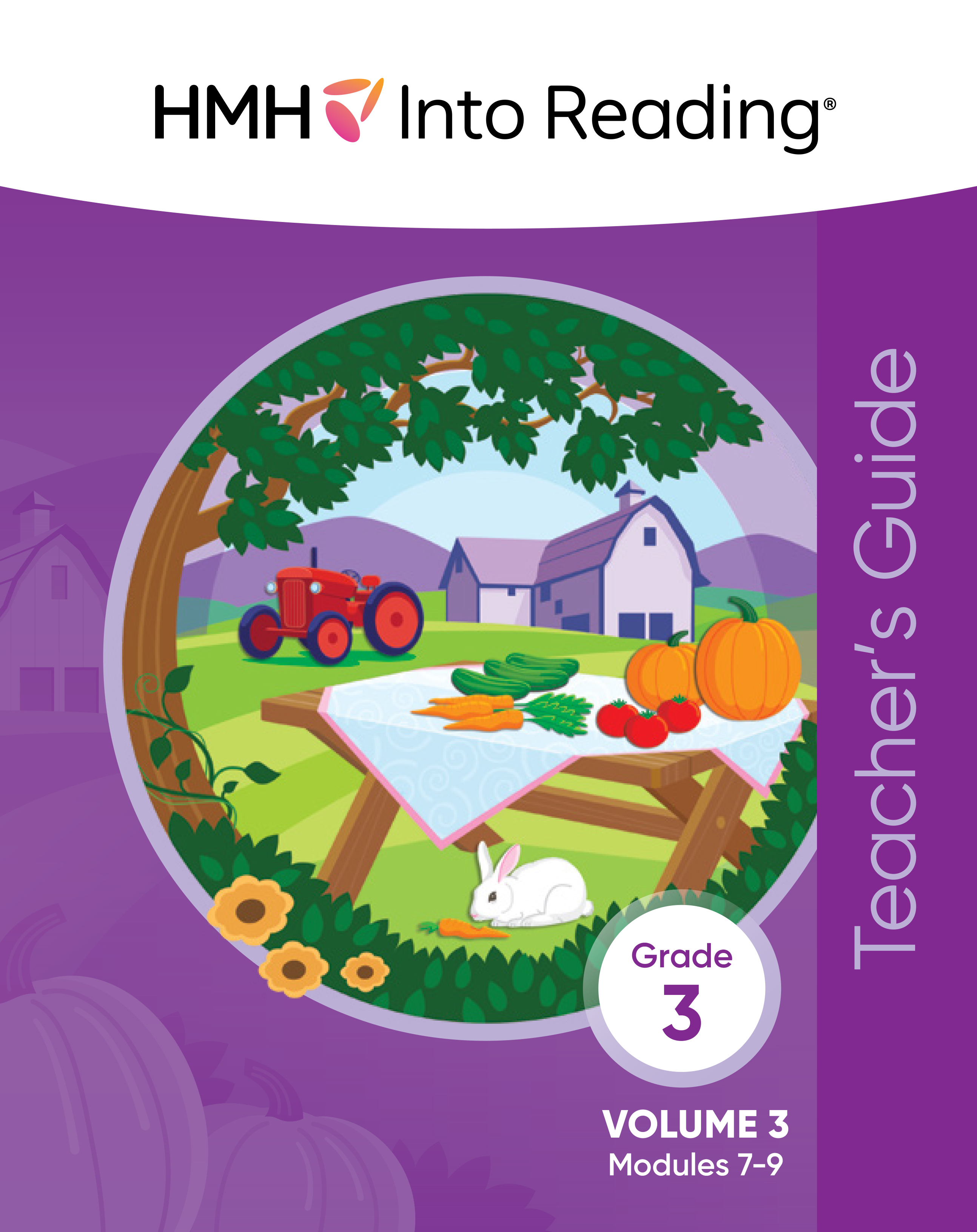
Utah Into Reading Version 3 Teacher Resource Package with 5-Year Digital Grade 3
Authors
Publisher
HMH Education Company
Category
Comprehensive
Description
HMH Into Reading® brings the latest evidence-informed best practices in structured literacy to your K–5 ELA curriculum.
Grounded in research and guided by explicit, memorable lessons each step of the way, HMH Into Reading’s engaging content delivers exactly what teachers need, when they need it, for dynamic whole-class instruction, actionable data insights, interactive classroom management, and professional learning – all connected on HMH’s digital learning platform, Ed.
Daily lessons are streamlined, aligned to state standards, and paced so that students build content knowledge across all grade levels and expand on one another’s ideas.
Topic knowledge is built within and across grades, tightly integrated across connected texts in each module that are based on an essential question to propel learning and deepen comprehension and critical analysis.
The connected text sets cover science and social studies topics in a variety of genres that engage students with selections that increase in complexity to develop independence using rigorous evidence-based questions and inquiry-based research and projects for each module.
Reliable and valid assessments that monitor progress and achievement and recommend both content and groupings to extend whole-class instruction for striving readers and writers, including English and advanced learners, are a cornerstone.
Teacher feedback, classroom studies and leading research are always driving HMH Into Reading to ensure a curriculum always responsive to our students’ needs!
HMH Into Reading emphasizes the five essential components of reading instruction: phonemic awareness, phonics, fluency, vocabulary, and text-based comprehension that builds content knowledge across the grade levels.
In alignment with the science of reading, HMH Into Reading’s structured literacy approach presents instruction that is explicit, systematic, sequential, multisensory, and cumulative.
The representation of Scarborough’s (2001) Reading Rope is evident in HMH Into Reading interweaving of the language comprehension (background knowledge, vocabulary, language structure, verbal reasoning, literacy knowledge) and word recognition (phonological awareness, decoding, sight recognition) elements of reading.
The program’s research-based approach also aligns with Seidenberg and McClelland’s (1989) Four-Part Processing Model, underscoring the four processes active in the reading brain (phonological, orthographic, meaning, and context processors).
HMH is committed to ongoing research that ensures evidence-informed instruction from one year to the next – so that the Science of Reading principles that the program was built on resound and for a premium classroom experience that fosters positive student outcomes at all times.
Grounded in research and guided by explicit, memorable lessons each step of the way, HMH Into Reading’s engaging content delivers exactly what teachers need, when they need it, for dynamic whole-class instruction, actionable data insights, interactive classroom management, and professional learning – all connected on HMH’s digital learning platform, Ed.
Daily lessons are streamlined, aligned to state standards, and paced so that students build content knowledge across all grade levels and expand on one another’s ideas.
Topic knowledge is built within and across grades, tightly integrated across connected texts in each module that are based on an essential question to propel learning and deepen comprehension and critical analysis.
The connected text sets cover science and social studies topics in a variety of genres that engage students with selections that increase in complexity to develop independence using rigorous evidence-based questions and inquiry-based research and projects for each module.
Reliable and valid assessments that monitor progress and achievement and recommend both content and groupings to extend whole-class instruction for striving readers and writers, including English and advanced learners, are a cornerstone.
Teacher feedback, classroom studies and leading research are always driving HMH Into Reading to ensure a curriculum always responsive to our students’ needs!
HMH Into Reading emphasizes the five essential components of reading instruction: phonemic awareness, phonics, fluency, vocabulary, and text-based comprehension that builds content knowledge across the grade levels.
In alignment with the science of reading, HMH Into Reading’s structured literacy approach presents instruction that is explicit, systematic, sequential, multisensory, and cumulative.
The representation of Scarborough’s (2001) Reading Rope is evident in HMH Into Reading interweaving of the language comprehension (background knowledge, vocabulary, language structure, verbal reasoning, literacy knowledge) and word recognition (phonological awareness, decoding, sight recognition) elements of reading.
The program’s research-based approach also aligns with Seidenberg and McClelland’s (1989) Four-Part Processing Model, underscoring the four processes active in the reading brain (phonological, orthographic, meaning, and context processors).
HMH is committed to ongoing research that ensures evidence-informed instruction from one year to the next – so that the Science of Reading principles that the program was built on resound and for a premium classroom experience that fosters positive student outcomes at all times.
notes
Teacher Resource Pkg includes: Digital Teacher License 5Yr GrK-6, Teacher's Guide Set G3, Teaching Pal Set G3, Tabletop Minilessons: Reading G3, Tabletop Minilessons: ELD G3, Focal Text Single Copy Set G3
edition
Version 3
Pricing Models
| Description | Price |
|---|---|
| UT Into Rdg V3 TRP 5Yr G3 (9798202156038) | $333.80 |
Ancillaries / Related Materials
No related materials found.
UTAH STATE BOARD OF EDUCATION
250 East 500 South
Salt Lake City, UT 84111-3204
Phone: 801.538.7807